Blog
How Can You Lower Google Ads Cost per Lead Without Cutting Lead Volume?
Published November 7, 2026 - 247 Digital Marketing Agency
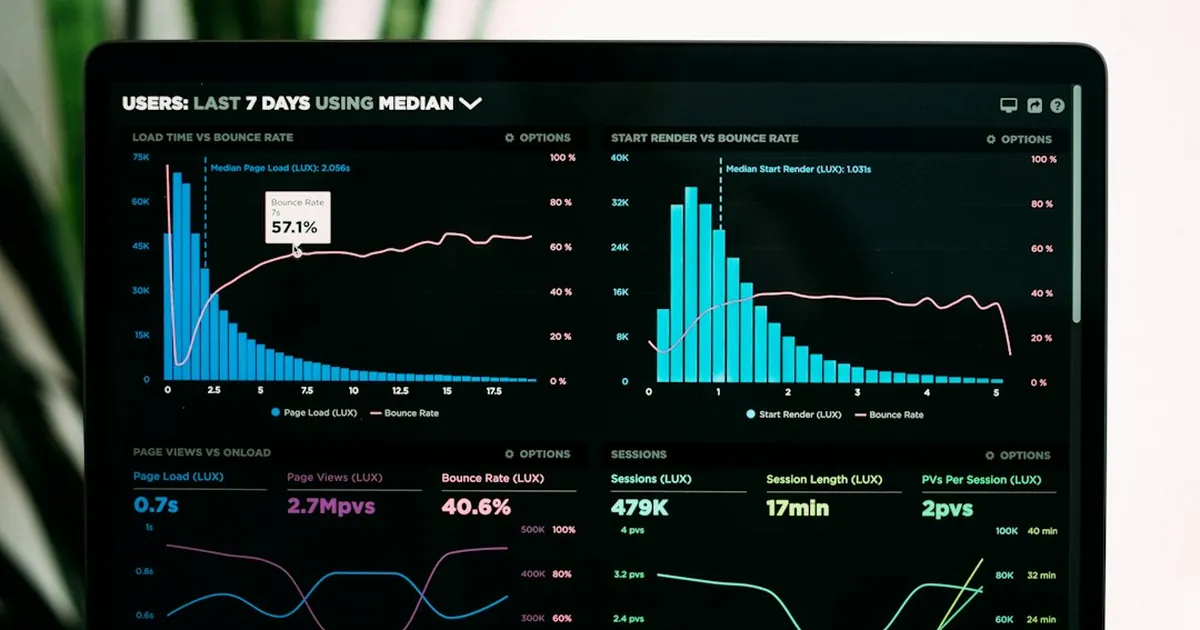
You lower Google Ads cost per lead by cutting wasted spend and improving what happens after the click. Add negative keywords, tighten match types, send traffic to a focused landing page, and bid toward searches that actually convert. 247 Digital Marketing Agency treats cost per lead as a full-funnel problem, not only a bidding one. See our Landing Page Design for options that fit this workflow.
Where does ad spend usually leak?
Most wasted spend comes from irrelevant searches, overly broad match types, and campaigns that mix high-intent and low-intent keywords. If your account pays for clicks that were never going to become leads, your cost per lead rises no matter how good your ads look. Start with the search terms report.
Check these leak points first:
- Irrelevant search terms. Job seekers, DIY researchers, and free-service hunters often trigger broad keywords. Add them as negative keywords weekly.
- Loose match types. Broad match without strong conversion data lets Google stretch your keywords into queries you never intended. Phrase and exact match give you more control.
- Poor geo and schedule targeting. Paying for clicks outside your service area, or at hours when no one answers the phone, inflates cost per lead.
- Mixed intent in one campaign. Informational and ready-to-buy keywords need separate campaigns, budgets, and ads.
- Weak conversion tracking. If you count page views or low-value clicks as conversions, the algorithm optimizes for the wrong outcome.
How do landing pages affect cost per lead?
Landing pages directly change cost per lead because they control your conversion rate. If the same clicks produce more form fills or calls, your cost per lead falls without touching bids. A page that matches the ad's promise, loads fast, and asks for one clear action typically converts better than a generic homepage.
Google also rewards relevant, fast-loading pages with better Quality Score signals, which can influence what you pay per click. To improve a page:
- Match the headline to the keyword and ad copy.
- Put one primary call to action above the fold, on mobile first.
- Keep forms short and ask only what you need to qualify a lead.
- Show proof that fits your offer, such as real reviews or credentials you can verify.
- Fix slow load times and layout shifts.
If your ads send people to a homepage with five competing goals, a dedicated landing page design is often the fastest cost-per-lead win. Test headlines and form length one change at a time so you know what moved results.
| Lever | What it fixes | Where to start |
|---|---|---|
| Negative keywords | Irrelevant clicks | Review search terms weekly |
| Match types | Uncontrolled query matching | Move weak broad terms to phrase or exact |
| Landing page | Low conversion rate | Match headline to ad, shorten form |
| Bid strategy | Paying for low-intent traffic | Align strategy with conversion volume |
| Conversion tracking | Optimizing toward the wrong goal | Count only real leads and calls |
Which bid strategies help?
The right bid strategy depends on how much conversion data your account has. With little data, manual controls and tight targeting keep spend predictable. With steady conversions, automated strategies such as target CPA or maximize conversions can lower cost per lead by prioritizing searches likely to convert.
Use this as a guide:
- Low conversion volume: Start with manual bidding or maximize clicks with a cap, and focus on cleaning up keywords and tracking first.
- Steady conversion volume: Move to maximize conversions, then add a target CPA once results stabilize.
- Multiple lead values: If a phone call is worth more than a form fill, import conversion values or offline results so bidding reflects real lead quality.
Change one thing at a time and give automated strategies a learning period before judging them. Switching strategies, budgets, and keywords all in one week makes it impossible to see what worked.
How do you know if your cost per lead is actually too high?
Cost per lead is only "too high" relative to what a lead is worth to you. Compare it against your close rate, average job or contract value, and margin. A pricier lead that closes often can beat a cheap lead that never answers the phone.
Track cost per lead alongside lead quality, not instead of it. Tag leads by source and outcome so you can see which campaigns produce booked work, not just form fills. Our Google Ads and PPC work ties campaigns to downstream results so you can judge spend by revenue, not clicks.
How 247 Digital Marketing Agency handles this
We start with an audit of your search terms, match types, conversion tracking, and landing pages, because cost per lead is rarely a bidding problem alone. From there, we prioritize the fixes most likely to cut wasted clicks and lift conversion rate, then adjust campaigns and pages in controlled steps so you can see what moved results. Our approach varies by market, budget, and how much conversion data your account already has, and we do not promise specific outcomes.
Our approach varies by market, budget, and how much conversion data your account already has. We do not promise specific outcomes, but we do tie reporting to real leads and booked work rather than clicks alone, so you can judge spend by what it returns.
Frequently asked questions
How often should you add negative keywords?
Review the search terms report at least weekly when a campaign is new or budgets are active, then monthly once it stabilizes. New irrelevant queries appear constantly, especially with broader match types.
Does a lower cost per click mean a lower cost per lead?
Not necessarily. Cheap clicks from low-intent searches can raise cost per lead if they rarely convert. Focus on cost per qualified lead, which reflects both click price and conversion rate.
Should you separate branded and non-branded campaigns?
Yes. Branded searches usually convert at a different rate than non-branded ones. Separating them keeps reporting clean and prevents branded results from hiding poor performance in prospecting campaigns.
How long before changes lower your cost per lead?
Negative keywords and landing page fixes can show effects within a few weeks, while automated bid strategies need a learning period. Timing depends on your traffic volume and conversion data.
Channel mix matters as much as CPC—see which to fund first, Google Ads or SEO.
Efficiency and budget sizing go together; read how a small business should set a Google Ads budget.
Plan a lead-generating website, redesign, or SEO program built for your market. Email hello@247digitalmarketingagency.com or request a strategy call to review your Google Ads account and landing pages.
247 Digital Marketing Agency · 247digitalmarketingagency.com
Ready to grow with 247 Digital Marketing Agency?
Talk with the 247 Digital Marketing Agency team about SEO, ads, web, and CRO sequenced to pipeline.
Schedule a Call